Your air conditioner is not just a convenience in Mesa, it is the device that keeps evenings livable and sleep possible through six months of hot, dry heat. Homeowners often tolerate small annoyances until a breakdown turns a 95-degree afternoon into a crisis. Knowing when a problem is worth a DIY fix and when to call a professional matters for comfort, safety, and your long-term energy bill. Below are the practical signs I watch for in the field, why they matter, and how to pick a contractor who will fix the issue correctly the first time.
Why you should care now An AC that is struggling rarely fails suddenly without warning. Symptoms like reduced cooling, strange sounds, or higher bills are written-off as normal wear until a compressor seizes or a refrigerant leak worsens. In Mesa, the cost of emergency weekend replacement, plus the hours lost in a sweltering home, can easily be several hundred dollars more than timely professional repair. Addressing issues early saves money and prevents premature equipment replacement.
When "repair" is the right word, not "replace" I have replaced plenty of systems that could have been patched and returned to reliable service for a few hundred dollars. Conversely, I have extended the life of aging equipment past the point of efficiency where replacement would have been the smarter long-term move. Reasoning depends on these facts: the unit's age, the nature of the failure, and how much you value efficiency and quieter operation. As a general rule, repairs on units under 10 years old often make sense. For units older than 15 years, replacement is frequently the better financial and comfort decision.
Clear, actionable signs that call for a professional AC repair contractor The following signs are those I see most often that justify calling an AC repair contractor in Mesa AZ. Each entry includes what the symptom often means, what happens if you ignore it, and the kind of diagnostic step a professional will take.
1) Weak airflow from vents even when the blower runs at high speed If you feel barely a breeze from supply registers while the fan motor sounds like it is doing its job, the problem could be a failing blower motor, a clogged return filter far beyond simple replacement, or restricted ductwork. In some homes the ductwork was never sized correctly for current living patterns, and in others rodents or construction debris have partially blocked runs. Ignoring poor airflow leads to uneven cooling, short-cycling which stresses the compressor, and higher humidity in the home.
What a pro does: measures static pressure, inspects and tests the blower motor and capacitor, and evaluates filters and ducts. Often the fix is a motor capacitor replacement or simple duct cleaning, but sometimes a blower motor swap or duct resizing is required.
2) System runs constantly but indoor temperature barely improves An air conditioner should cycle on and off to maintain temperature. If your thermostat is set to 76 degrees and the unit runs nonstop without getting the house to that set point, suspects include low refrigerant, a failing compressor, or oversized ducts and leaky insulation that overload the system. Low refrigerant is frequently due to leaks, which are not DIY repairs because refrigerant handling requires certification. Letting the system run without addressing refrigerant issues will cause oil carryover, damaging the compressor and leading to very expensive replacement.
What a pro does: uses gauges to test refrigerant pressure, inspects coils for frost or oil stains indicating leaks, and assesses compressor amp draw. A licensed technician will repair leaks, evacuate and recharge the system correctly, and advise if compressor damage requires replacement.
3) Hissing, bubbling, or gurgling noises These sounds often point to a refrigerant leak or a failed reversing valve in heat pump systems. Hissing near piping or the outdoor unit is rarely benign. Small leaks can be patched temporarily, but the correct approach is finding the leak source, repairing it, and recharging the system to the proper specifications.
What a pro does: applies leak detectors or soap solution to pinpoint leaks, pressure-tests the system, and evaluates the extent of corrosion. A professional will also look for secondary damage such as oil-stained insulation or corrosion on the condenser coils.
4) Warm air blowing from vents when cooling mode is selected Warm air can result from simple thermostat misconfiguration, a tripped breaker, a failed contactor that does not engage the outdoor unit, or a compressor that no longer starts. In my experience, one of the most common culprits is the compressor’s start capacitor or the run capacitor failing, which prevents the compressor or fan from coming on even though the blower runs.
Why you need a pro: diagnosis requires electrical testing and safe handling of capacitors. A trained technician will measure voltage and current, test capacitors with appropriate tools, and replace components safely. Working with live capacitors without training can be dangerous.
5) Higher-than-normal energy bills with no change in use If your energy bill jumps 15 to 30 percent without a corresponding change in thermostat behavior or occupancy, the AC is likely losing efficiency. Causes include dirty coils, failing compressors, refrigerant loss, or malfunctioning controls. Seasonal maintenance can avoid many of these issues, but rising bills often mean more serious inefficiency that a professional can quantify.
What a pro does: runs a performance test comparing delivered cooling capacity to electrical input, inspects heat exchanger and coils, and recommends repairs or replacement if the system is no longer cost-effective. They can provide projected payback numbers for replacing an old, inefficient unit versus continuing to repair.
6) Water pooling around the indoor unit or frequent condensate overflows A clogged condensate drain or a cracked drain pan causes water leaks that damage ceilings, drywall, and framing. In some systems, improper installation slope or a disconnected condensate line is the cause. In homes with swamp coolers and older AC systems, condensate issues are a frequent hidden source of mold and structural rot.
What a pro does: clears or replaces drain lines, inspects and replaces corroded pans, and checks the condensate pump operation if present. They will also use a moisture meter to determine any water damage that must be remediated.
7) Burning smell or acrid odor when the system turns on A musty smell on startup typically means dusty ducts or mold in the drain pan, but a burning or electrical smell is a red flag for wiring faults, motor windings overheating, or failing capacitors. Electrical fires around HVAC equipment are rare but fast-moving when they start.
Why immediate professional help matters: technicians will check electrical connections, contactors, fuses, and the control board for signs of arcing, and replace any damaged components safely.
How an AC repair contractor in Mesa AZ should operate Not every contractor is the same. Here are practical expectations I rely on when sending a technician to a job in the Mesa market. These are qualities that indicate competence and protect the homeowner.
- Licensed and insured: HVAC work requires permits in many jurisdictions. A legitimate AC repair contractor in Mesa AZ should carry general liability and worker's compensation insurance and hold any required state or local licenses. Transparent estimates: before starting work the tech should explain the problem, what needs to be done, and provide a written estimate. Beware of vague "maybes" and surprise-add-on pricing. Diagnostic flat fee: many reputable shops charge a diagnostic fee that is applied toward repair if you proceed. That fee should be reasonable and explained up front. Parts warranty and labor warranty: a 30 to 90 day labor warranty on repairs is common; legitimate parts often have manufacturer warranties. Verify these terms in writing. Clean work and respect for the home: technicians should use shoe covers, lay down drop cloths, and leave the work area tidy.
A brief checklist for choosing a contractor Use this short checklist when deciding who to call. Each item is a quick filter that separates professional operations from fly-by-night outfits.
Check for license and insurance, ask to see documentation Request written estimate and scope before work begins Confirm diagnostic fee policy and any service call charges Ask about parts and labor warranty in writing Read recent reviews and ask for local referencesWhen a brand mention matters: Everest Air LLC and what to ask Everest Air Mesa AZ contractor If you are considering Everest Air LLC or another local name, ask specific questions rather than relying solely on brand recognition. Ask how long they have been servicing Mesa, whether their technicians are NATE certified or hold equivalent qualifications, and what their emergency service hours are. A respected contractor will also provide references and clear communication about repair versus replacement options.
Real examples from service calls I once went to a home where the AC ran nonstop and the owners had doubled their energy bill. A homeowner had replaced the air filter monthly, but duct seams in a crawl space had been chewed by rodents. The result was a 25 percent loss of conditioned air into the crawl space, and reduced pressure made the system run longer. Repair cost was modest: duct sealing and one motor capacitor, and the owner saved about $80 a month on energy.
At another job, a client ignored a low hissing sound for months. The leak widened, the compressor burned out, and insurance did not cover the resulting ceiling damage. The total bill that started as a simple refrigerant top-off turned into three times that amount because a prompt repair would have prevented catastrophic compressor failure.
When replacement becomes the right call There are circumstances where replacement is the right financial and comfort decision. Consider replacement if the unit is more than 12 to 15 years old, if repairs are frequent and costly, if the system uses outdated refrigerant no longer sold without special handling, or if you want a major efficiency improvement with modern SEER ratings. A pro should provide a comparative estimate showing repair costs projected over the next three to five years versus replacement cost and estimated utility savings.
How to prepare for the service visit A few simple steps make the visit faster and often less expensive. Clear access to the outdoor unit, ensure circuit breakers are labeled, and note anything unusual like water stains or the timing of strange noises. Write down thermostat settings and when symptoms occur. If you have pets, secure them and let the technician know where they will be.
Cost expectations and transparency Prices vary with the problem and parts needed, but expect a diagnostic visit in Mesa to be anywhere from about $75 to $150 depending on the company and whether the visit is during business hours. Simple repairs such as capacitor or contactor replacement often range from $150 to $350 installed. Refrigerant repairs and leak sealing can be more expensive, particularly if brazing or coil replacement is required. Large-ticket items like a compressor replacement or full system replacement will be significantly more, and a good contractor will provide financing options and energy savings estimates.
Safety and legal considerations Never handle refrigerant leaks yourself. In the United States, EPA regulations require technicians who handle refrigerants to be certified. Electrical work around HVAC equipment should be performed by those trained to work live systems safely. Also, homeowners should ask for permits when required and keep copies of all service records for resale value and warranty support.
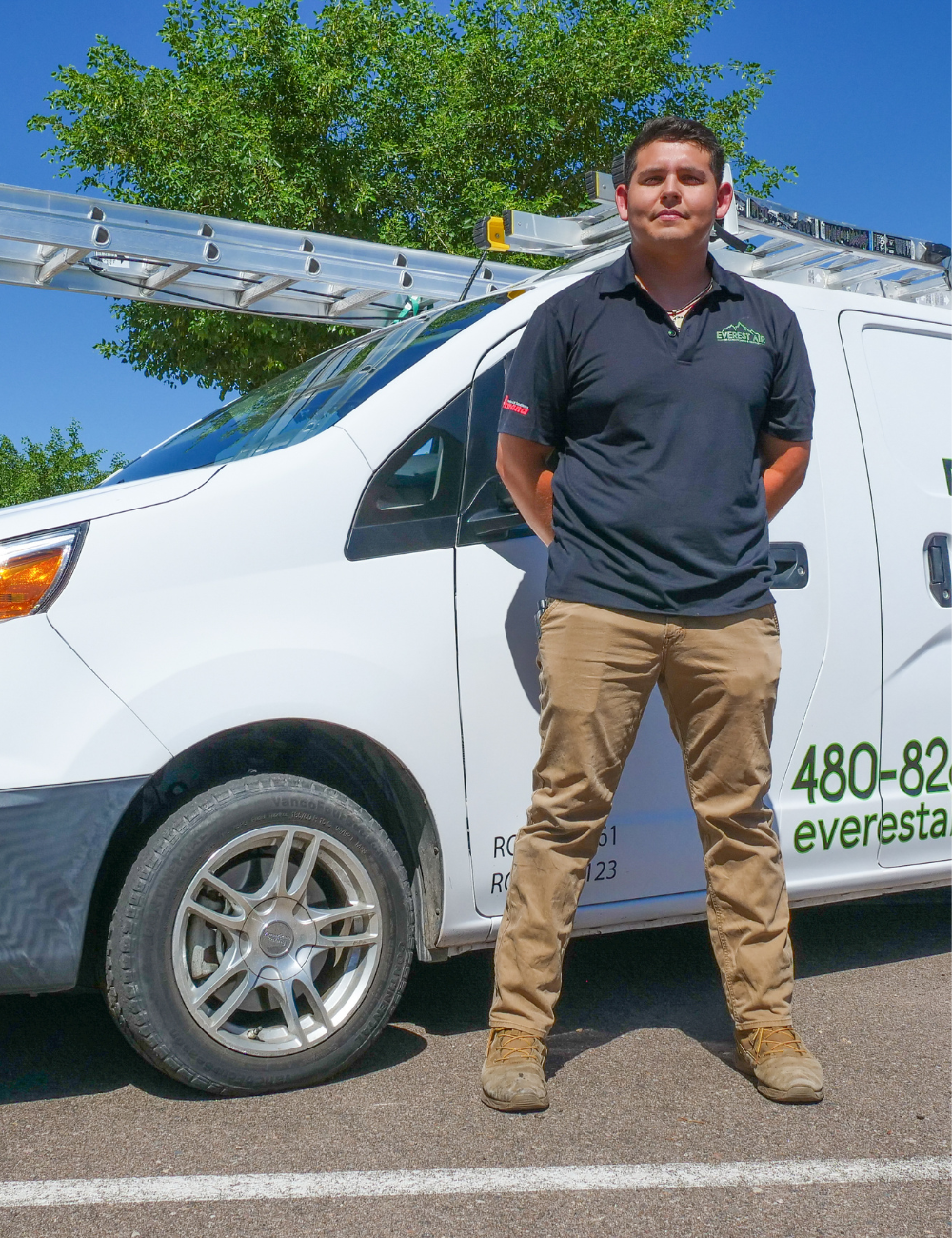
A final persuasive thought Ignoring early warning signs rarely pays. In the Mesa climate, the cost of letting an AC falter is measured not just in dollars but in discomfort, lost productivity, and the risk of larger repairs later. Hiring a qualified AC repair contractor in Mesa AZ means you get a trained eye, proper tools, and the regulatory compliance needed to handle refrigerants and electrical components safely.
If you are deciding who to call, ask for a clear diagnostic, an itemized estimate, and written warranty terms. Companies like Everest Air LLC have local experience that matters, familiarity with Mesa’s climate and common failure modes, and can often provide the mix of emergency responsiveness and preventative maintenance that keeps an AC running quietly for years. Make the call when you see the first sign, not after the worst-case scenario arrives. Your home will thank you, and your next utility bill will show it.
Everest Air LLC
1455 E University Dr, Mesa, AZ 85203, United States
+1 (480) 828-2705
[email protected]
Website: https://everestairaz.com